Be the first to write a review
0%
(0)
0%
(0)
0%
(0)
0%
(0)
0%
(0)
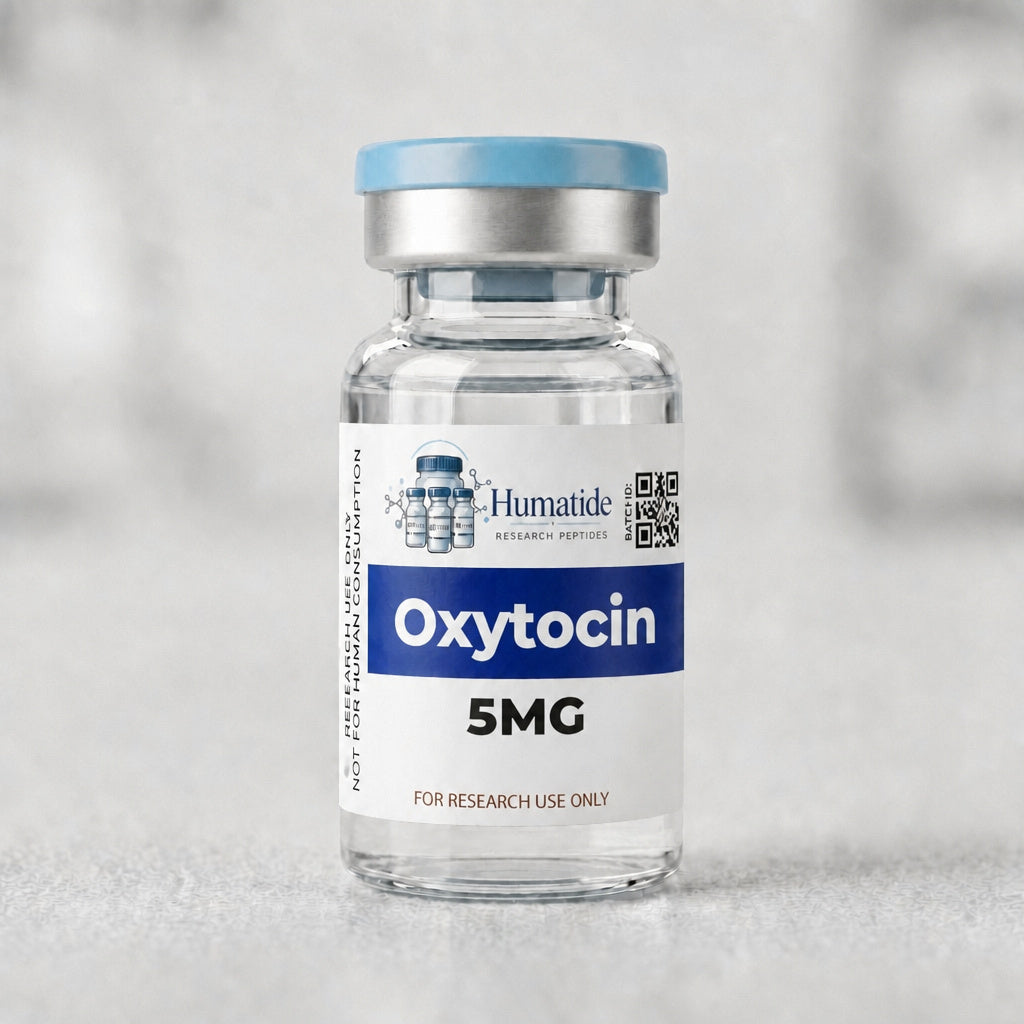
What is the research background of Oxytocin?
Early Observations of Reproduction-related Phenomena:
As early as ancient times, people noticed that the uterus of women would contract regularly during childbirth, and this contraction was crucial for the delivery of the fetus. However, at that time, it was unclear what substance mediated this contraction. With the development of medicine, people gradually began to explore the physiological mechanisms related to childbirth and reproduction, laying the foundation for the later discovery of oxytocin.
Animal Experiments and Preliminary Discovery:
In 1906, the British physiologist Henry Hallett Dale, when studying the reproductive physiology of animals, found that pituitary extracts could cause the contraction of uterine smooth muscles. This discovery initiated an in-depth study of the relationship between the pituitary gland and reproductive physiology. Subsequently, through a large number of experiments, scientists further determined that there was a certain substance in the pituitary gland that had the effect of promoting uterine contraction and milk ejection from the mammary glands.
Isolation and Naming:
In 1953, Vincent du Vigneaud successfully isolated oxytocin from the posterior pituitary lobe of cows and determined its chemical structure, which is a polypeptide composed of 9 amino acids. He was awarded the Nobel Prize in Chemistry in 1955 for his outstanding contributions in the field of biochemistry, especially his achievements in the research of peptide hormones. Since then, oxytocin has been recognized as a definite chemical substance, and its source has also been clearly identified as the posterior pituitary lobe.
Research at the Gene Level:
With the development of molecular biology techniques, scientists have further studied the source mechanism of oxytocin in depth. It was found that oxytocin is synthesized by neurons in the paraventricular nucleus and supraoptic nucleus of the hypothalamus. These neurons synthesize the oxytocin precursor through the processes of gene transcription and translation, and then after a series of processing and modification, the bioactive oxytocin is finally formed. After synthesis, oxytocin is transported along the axons of neurons to the neurohypophysis (posterior pituitary lobe) for storage. When the body needs it, it will be released into the bloodstream to exert its physiological effects.
What is the mechanism of action of Oxytocin?
1. The Mechanism of Action on Childbirth and Uterine Contraction
Receptor Regulation:
The oxytocin receptor (OTR) belongs to the rhodopsin-type (Class 1) superfamily of G protein-coupled receptors[1]. During pregnancy and childbirth, changes in receptor expression, desensitization, and local oxytocin concentration will regulate its function. For example, during childbirth, the increase in endogenous oxytocin levels will increase the expression of oxytocin receptors, thereby enhancing the sensitivity of the myometrium to oxytocin.
Calcium Ion Regulation:
After receptor activation, a series of signal events will be triggered to stimulate uterine contraction, mainly by increasing the intracellular calcium ion (Ca⊃2;⁺) concentration[1]. This includes inositol-tris-phosphate-mediated calcium store release, store-operated Ca⊃2;⁺ entry, and voltage-operated Ca⊃2;⁺ entry. These changes in calcium ions will cause the contraction of myometrial cells, thus facilitating the delivery of the fetus.
2. The Mechanism of Action on Social Behavior
Neural Regulation:
Oxytocin is mainly produced by the hypothalamus and plays an important role in the social behavior of mammals, including parental behavior, the formation of social relationships, and the management of experiences in response to stress[2]. It responds to stressors and plays a role in the regulation of the central and autonomic nervous systems, including effects on immune and cardiovascular functions. Currently, it is believed that oxytocin may affect social behavior by regulating neural circuits in the brain. For example, in the process of forming social relationships, oxytocin may promote the activity of neurons in specific brain regions, enhancing trust and a sense of closeness to others.
3. The Mechanism of Action in Analgesia
Regulation of Physiological Processes:
Oxytocin can relieve tension and pain without other adverse effects[3]. Current research shows that oxytocin may exert its analgesic effect by regulating the pain conduction pathway in the nervous system. For example, it may inhibit the transmission of pain signals or regulate the activity of regions in the brain related to pain perception and emotional responses.
4. The Mechanism of Action in Migraine
Receptor Expression and Function:
In the study of migraine, it was found that the oxytocin receptor (OTR) is widely expressed in the trigeminovascular system of rats [4]. Especially in the trigeminal ganglion, OTR is mainly expressed in Aδ sensory neurons and fibers, and a small number of OTRs in C fiber sensory neurons co-localize with calcitonin gene-related peptide (CGRP). OTR is also expressed in the caudal nucleus of the trigeminal nerve. However, oxytocin has no effect on the potassium ion-induced release of CGRP from isolated trigeminal ganglia or trigeminal ganglion afferent fibers in the dura mater.
Vascular Action:
Peripheral cranial arteries contract in response to oxytocin in vitro, and this response can be blocked by the OTR antagonist L368899. In addition, oxytocin immunoreactivity was found in satellite glial cells of the trigeminal ganglion, but oxytocin mRNA was not detected in the trigeminal ganglion. Therefore, circulating oxytocin is most likely to affect pain conduction by acting on OTRs in the trigeminal ganglion, which may help explain the influence of hormones in migraines and provide a new target for treatment[4].


Source:PubMed[3]
What are the applications of Oxytocin?
1. Applications in Obstetrics
Promoting Childbirth:
In obstetrics, oxytocin can be used to strengthen uterine contractions and promote childbirth. For some parturients with uterine atony, exogenous oxytocin can help achieve a successful vaginal delivery. For example, in some parturients with specific conditions, such as the mother having preeclampsia, gestational diabetes mellitus, premature rupture of membranes, the need to stimulate labor when the uterus is inactive, and inevitable or incomplete miscarriage in the second trimester, oxytocin is approved for prenatal use by the U.S. Food and Drug Administration (FDA)[5].
2. Treatment of Chronic Pain
For adults with chronic neuropathic, pelvic, and musculoskeletal pain, intranasal administration of oxytocin may have a certain effect on improving pain and function. In a placebo-controlled, triple-blind, sequential, within-subject crossover trial, patients self-administered three different doses of oxytocin nasal spray (24IU, 48IU, and placebo) twice a day for 2 weeks. The primary outcomes included pain and pain-related interference, and the secondary outcomes included emotional function, sleep disorders, and the overall impression of change. The intention-to-treat analysis will evaluate whether pain and physical function will be improved after treatment[6].
3. Effect on Sarcopenic Obesity in the Elderly
In the elderly population, oxytocin may have a therapeutic effect on sarcopenic obesity. A double-blind, placebo-controlled randomized controlled trial conducted on 21 older adults (67.5 ± 5.4 years old), obese (30 - 43 kg/m²), sedentary (less than 2 strenuous exercises per week), and with slow gait (less than 1m/s, as a surrogate marker for sarcopenia) showed that intranasal administration of oxytocin (24IU, 4 times a day for 8 weeks) was well tolerated without any serious adverse events. Oxytocin significantly increased the whole-body lean body mass by 2.25kg, showing a significant difference compared with the placebo (P <.01), and had a trend of reducing fat mass. It also significantly reduced plasma low-density lipoprotein cholesterol by -19.3mg/dL (P =.023). However, there were no significant changes in body mass index, appetite scores, blood glucose, plasma high-density lipoprotein, triglycerides, or depressive symptoms [7].
4. Effect in Migraine
Recent clinical studies have found that oxytocin has an inhibitory effect on migraines and headaches. Studies have shown that the oxytocin receptor (OTR) is widely expressed in the trigeminovascular system of rats. In the trigeminal ganglion (TG), the expression of OTR was found especially in most A-delta sensory neurons and fibers. OTR is also expressed in the caudal nucleus of the trigeminal nerve, which is the central target of TG afferent fibers. A small number of C fiber sensory neurons in TG express OTR and co-localize with the neuropeptide calcitonin gene-related peptide (CGRP). However, oxytocin has no effect on the potassium ion-induced release of CGRP from isolated TG or TG afferent fibers in the dura mater. In vitro, another peripheral TG target, the cranial artery, contracts in response to oxytocin, and this response can be blocked by the OTR antagonist L368899. Oxytocin immunoreactivity was found in TG satellite glial cells, but oxytocin mRNA was not detected in TG. Therefore, circulating oxytocin is most likely to act on OTRs in TG, thereby affecting pain transmission [4].
5. Effects on Gastrointestinal Motility and Secretory Activity
Oxytocin (OT) shows multiple potential effects in regulating gastrointestinal motility and secretory activities. Research shows that OT can improve the gastrointestinal motility disorders caused by the antitumor drug vincristine (VCR), including slowed gastrointestinal transit and reduced response of isolated colon segments to electrical field stimulation. Exogenous OT pretreatment can significantly improve the inhibition of gastrointestinal motility by VCR and the damage to myenteric neurons. In addition, OT can also regulate gastric emptying and gastrointestinal motility. By activating the hypothalamic-vagal oxytocinergic neural circuit, it can prevent stress-induced delayed gastric emptying and motility problems, and increase gastric tone and motility[8]. In terms of intestinal peristalsis, the OT/OTR signal has a regulatory effect on intestinal peristalsis. The gastrointestinal transit time of OTR knockout (OTRKO) mice is faster than that of wild-type mice, and OT can inhibit the enteric nervous system (ENS)-dependent colonic migrating motor complex generated in vitro[9]. In terms of gastrointestinal secretory activities, OT regulates intestinal mucosal permeability and cell proliferation, plays a role in the maintenance of the intestinal mucosa, and has a protective effect on colitis[9]. These research results indicate that the OT/OTR signal plays an important role in various functions of the gastrointestinal tract, including gastrointestinal motility, secretory activities, and mucosal protection.
In conclusion, Oxytocin promotes the contraction of uterine smooth muscles and the secretion of milk from the mammary glands in the reproductive system, and at the same time regulates social behavior, emotions, and stress responses in the nervous system. In addition, oxytocin also regulates gastrointestinal motility and secretory activities, improves the gastrointestinal motility disorders caused by chemotherapy drugs, promotes gastric emptying, inhibits gastric acid secretion, and has a protective effect on gastric ulcers and colitis. Its multifunctionality makes it have important applications in reproduction, metabolism.
For Research Use Only
This compound is provided exclusively for in vitro laboratory research. It is not intended for human or animal consumption, diagnosis, treatment, or medical use. Not for dietary, cosmetic, or veterinary purposes. This product has not been evaluated by the U.S. Food and Drug Administration or any other regulatory authority.
Disclaimer
All information is for educational purposes only. Humatide makes no claims regarding efficacy or safety. Purchasers are responsible for ensuring proper handling and use in compliance with all applicable laws and regulations.
Terms of Sale
By purchasing from Humatide, you confirm that you are a qualified researcher with the knowledge and facilities to safely handle and store research chemicals. All sales are final. Humatide assumes no liability for misuse, misrepresentation, or unintended consequences arising from the use of this product.
ALL ARTICLES AND PRODUCT INFORMATION PROVIDED ON THIS WEBSITE ARE SOLELY FOR INFORMATION DISSEMINATION AND EDUCATIONAL PURPOSES.
The products provided on this website are intended exclusively for in vitro research. In vitro research (Latin: *in glass*, meaning in glassware) is conducted outside the human body. These products are not pharmaceuticals, have not been approved by the U.S. Food and Drug Administration (FDA), and must not be used to prevent, treat, or cure any medical condition, disease, or ailment. It is strictly prohibited by law to introduce these products into the human or animal body in any form.
Polypeptide Purity Control and Verification Technical System
Humatide.com provides peptides with purity exceeding 99%. Humatide achieves precise control and scientific verification of polypeptide purity by integrating advanced technologies and a full-process quality control system: In the synthesis stage, automated solid-phase peptide synthesis (SPPS) is employed to accurately assemble amino acid sequences. A gradient purification strategy ranging from medium-pressure liquid chromatography (MPLC) to preparative high-performance liquid chromatography (Prep-HPLC) is utilized, optimizing mobile phase composition and elution conditions based on the physicochemical properties of the target peptide (hydrophobicity, charge distribution, etc.) to efficiently remove impurities. For purity detection, reverse-phase high-performance liquid chromatography (RP-HPLC) serves as the core technique, separating components through the distribution difference of molecules between the stationary phase (hydrophobic packing) and the mobile phase (polar solvent). Purity is determined via retention time matching and peak area normalization. Meanwhile, electrospray ionization mass spectrometry (ESI-MS) is combined to precisely verify the molecular weight and composition through mass-to-charge ratio (m/z) analysis, eliminating structurally heterogeneous impurities. Quality management covers the entire chain from raw material acceptance, synthesis process monitoring to finished product release. A continuous quality fingerprint is constructed using multi-dimensional indicators (HPLC purity, MS molecular weight, solvent residue, etc.), and batch data traceability is achieved through a laboratory information management system (LIMS), ensuring each batch meets the prespecified purity standards. This system provides a reliable technical guarantee for preparing high-purity polypeptides through the organic integration of process optimization, multi-dimensional detection, and full-process quality control.
Concepts of High-Performance Liquid Chromatography (HPLC) and Mass Spectrometry (MS)
High-performance liquid chromatography (HPLC) is a separation technology widely used by Humatide for peptide purification. Driven by a high-pressure pump, the mobile phase carries samples through a chromatographic column packed with a specific stationary phase, achieving separation based on differences in the distribution coefficients of components between the two phases. It features high separation efficiency, fast analysis speed, and strong detection sensitivity, enabling precise capture of subtle differences between target peptides and impurities such as sequence analogs or deletion peptides.
Mass spectrometry (MS) is an analytical method that converts peptide molecules into gas-phase ions through ionization technology and separates/detects ions based on their mass-to-charge ratio (m/z). It can accurately determine the molecular weight of peptides and infer amino acid sequences through fragment ion information, serving as a key technology for verifying peptide structural correctness. The combination of these two techniques allows Humatide to establish a complete quality control system from both purity separation and structural confirmation perspectives. Both methods are high-precision peptide detection technologies that scientifically demonstrate the purity and composition of peptides ordered from Humatide.com.
Humatide is committed to translating cutting-edge analytical technologies into tangible quality assurance. Our peptide synthesis laboratories are equipped with high-resolution mass spectrometers and ultra-high-performance liquid chromatography systems. Through real-time detection and data comparison of samples at each production stage, we continuously optimize synthesis processes to ensure every peptide product is delivered to customers with exceptional purity.
Recommended Peptide Purity Levels
Humatide provides only the highest-purity peptides (purity ≥99%) for research and development. The minimum recommended peptide purity level for specific applications depends on the application:
• In biochemical research, peptides used for enzyme activity analysis typically require ≥85% purity.
• In drug development, peptides for preclinical trials must meet >98% high-purity standards to ensure biological activity and safety.
• For diagnostic applications (e.g., antigen peptides in immunoassays), recommended purity is 90%-95% to guarantee detection specificity and sensitivity.
Humatide is confident in the quality of all our products, implementing strict quality monitoring at every stage of peptide synthesis—from crude peptide purification to final product release. Through multi-step purification and verification processes, we ensure each batch meets or exceeds the purity requirements for specific applications. Examples of acceptable minimum purity levels are as follows:
High Purity (>95%)
• Polypeptide drug research and production
• Preparation of targeted therapeutic drugs
• Raw materials for biological diagnostic reagents (e.g., ELISA, immunoassay kits)
• Development of polypeptide vaccines (therapeutic/preventive)
• Preparation of targeting peptides for antibody-drug conjugates (ADCs)
• Polypeptide reagents for life science research (e.g., receptor agonists/antagonists)
• Research on targeting peptide modification for gene therapy vectors
• Development of polypeptide antibiotics/antimicrobial peptides
• Preparation of polypeptide hormone analogs (e.g., insulin analogs)
• Reference standards for biomarker detection
• Research on cell culture additives
• Synthetic peptides for protein structure analysis and functional studies
Moderate Purity (>85%)
• Early-stage activity screening in polypeptide drug research
• Peptide additives for industrial enzymes
• Signal peptide raw materials
• Surface modification of biomaterials (e.g., medical catheters, tissue engineering scaffolds)
• Preparation of agricultural antimicrobial peptides
• Cell adhesion research
• Raw materials for polypeptide surfactants/detergents
• Polypeptide reagents for preliminary mechanistic research in scientific studies
Lower Purity (>70%)
• Preliminary structure-activity relationship (SAR) studies
• Initial verification of protein binding
• Primary cytotoxicity screening
• High-throughput screening of polypeptide drug lead compounds
Please note
**We are not responsible for reconstitution or any issue that arise from it**
High-purity polypeptides are suitable for scenarios requiring strict purity. The ultra-high-purity peptides provided by Humatide can meet and exceed all prespecified purity standards.
To View the latest Certificate of Analysis (CoA) click the "View Latest 3rd Party Certificate of Analysis" button on the product page. Please use that if you are looking to buy as that is the batch you'll receive if you place an order. The QRCode will give you the Batch ID/Lot Number which is matched on the CoA to validate that CoA matches your specific vial. If you happen to get a vial that is from a previous batch select the "Previous Batch 3rd Party Certificate of Analysis" if your Batch ID doesn't match the latest CoA.
All CoA are searchable via the respective testers' website.
ILS Labs Verification is available on their website at:
To validate the CoA on the ILS Labs website enter the Access Code that is located on the bottom of the CoA that is shown on our website.
We also use MDx Biolabs, verification is available via their website at:
https://mdxbiolabs.com/certificates-of-analysis
To find validate the CoA on the MDx Biolabs website enter the COA number which is located at the bottom of the CoA that is shown on our website.

Be the first to know about new products, sales, and exclusive offers.