Be the first to write a review
0%
(0)
0%
(0)
0%
(0)
0%
(0)
0%
(0)
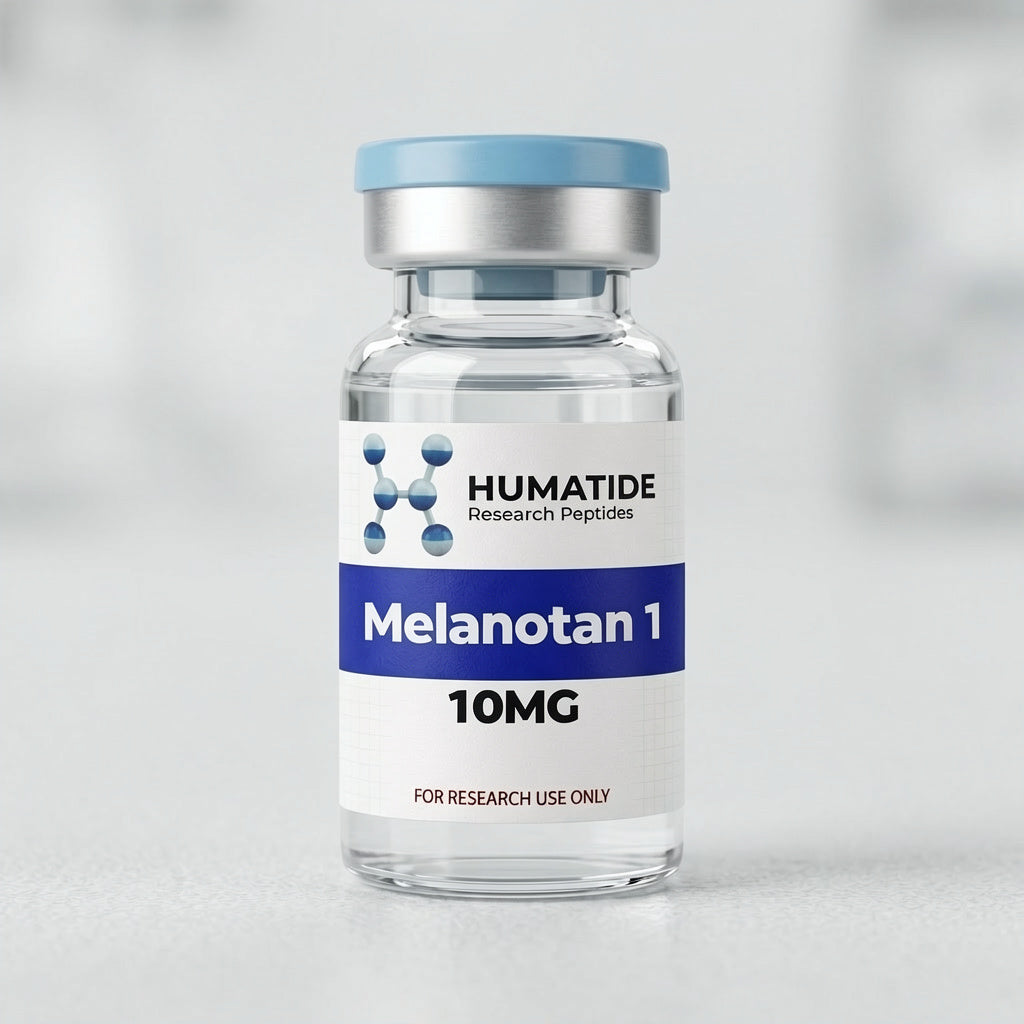
Melanotan I is an artificial peptide synthesized to mimic the structure of the human hormone alpha-melanocyte stimulating hormone (α-MSH). Administered via subcutaneous injection, it works by stimulating melanocytes in the skin to produce and distribute melanin, darkening skin tone for a tanned appearance. This process is believed to boost the skin’s natural UV defense and reduce sun-induced damage. As a non-specific melanocortin receptor agonist, Melanotan I influences various physiological processes, including skin pigmentation regulation and potential relief of light sensitivity symptoms.
| Property | Value |
|---|---|
| Peptide Sequence |
Ser-Tyr-Ser-Nle-Glu-His-D-Phe-Arg-Trp-Gly-Lys-Pro-Val
|
| Molecular Formula | C78H111N21O19 |
| Molecular Weight | 1646.8 g/mol |
| CAS Number | 75921-69-6 |
| PubChem CID | 16154396 |
| Synonyms | Afamelanotida; NDP-MSH |
Melanotan-1 Research
What is the research background of Melanotan-1?
Melanotan-1 is a synthetic analog of α-melanocyte-stimulating hormone (α-MSH). α-MSH is produced by specific cells in the human body and plays an important role in physiological processes such as pigmentation. In order to explore its applications in different fields, researchers developed Melanotan-1. In-depth research on α-MSH led to the birth of Melanotan-1. α-MSH is known to play a key role in stimulating the production of melanin, and Melanotan-1 was designed to have stronger activity and specific functions, such as in skin tanning and potential photoprotective effects[1] .
What is Melanotan-1?
Melanotan-1 is a synthetic analog of α-melanocyte-stimulating hormone. By binding to the MC1R on melanocytes, it stimulates melanocytes to produce melanin. It has shown significant efficacy in the treatment of erythropoietic protoporphyria and also has potential application prospects in the treatment of other skin diseases.
Melanotan-1 has the characteristic of a long-lasting effect. It can continuously stimulate melanocytes in the body to produce melanin, thus providing long-term therapeutic effects. Compared with some other treatment methods, Melanotan-1 does not require frequent administration, reducing the treatment burden on patients. In clinical studies, Melanotan-1 has shown good safety. Common adverse reactions include headache, nausea, vomiting, etc., but they are generally mild and can be relieved through appropriate treatment. In addition, Melanotan-1 has little toxicity to important organs such as the liver and kidneys, providing a certain safety guarantee for its clinical application.
What is the specific mechanism by which Melanotan-1 prevents sun damage?
Melanin in the skin plays a role in absorbing ultraviolet rays and free radicals, thus protecting the skin from ultraviolet damage. Ultraviolet radiation can cause mutations in the genes of skin cells and is the main cause of various skin cancers. The presence of melanin can reduce the direct exposure of ultraviolet rays to skin cells and lower the risk of gene mutations. After the skin is exposed to ultraviolet rays, it will cause an increase in the activity of melanocyte-stimulating hormone receptors, resulting in an increase in eumelanin in epidermal melanocytes. As an analog of α-melanocyte-stimulating hormone, Melanotan-1 can mimic this process and promote the production of melanin[2] . By increasing the melanin content in the skin, Melanotan-1 can reduce the direct damage of ultraviolet rays to skin cells. Studies have shown that after using Melanotan-1, the skin's tolerance to ultraviolet rays is enhanced, and the occurrence of sunburn is reduced. Compared with traditional tanning methods such as sun tanning and the use of tanning products, Melanotan-1 has some unique advantages. Sun tanning requires long-term exposure to the sun, which is likely to cause skin sunburn, aging, and an increased risk of skin cancer. The use of tanning products may have problems such as skin irritation and allergies caused by chemical components. Melanotan-1, through subcutaneous injection, can more precisely control the production of melanin and reduce the adverse effects on the skin.
What is the specific mechanism of action of Melanotan-1 in the treatment of vitiligo?
Stimulating melanin production: Melanotan-1 can stimulate melanocytes to produce melanin. Melanin is an important substance that determines skin color. In patients with vitiligo, due to damaged or abnormal melanocytes, white patches appear on the skin. Melanotan-1 promotes the proliferation and differentiation of melanocytes and increases the synthesis of melanin by activating specific signaling pathways [3].
Regulating the immune system: Vitiligo is considered an autoimmune disease, in which the immune system abnormally attacks melanocytes. Melanotan-1 may play a role in regulating the immune system and reducing the attack on melanocytes. It may regulate the immune response by influencing the activity and function of immune cells, thus relieving the symptoms of vitiligo.
Antioxidant effect: Oxidative stress also plays an important role in the pathogenesis of vitiligo. Melanotan-1 may have certain antioxidant capacity and reduce the damage of oxidative stress to melanocytes. It can neutralize free radicals, protect melanocytes from oxidative damage, and help maintain the normal function of melanocytes.
What research data support the specific effects of Melanotan-1 in the treatment of erythropoietic protoporphyria?
Erythropoietic protoporphyria (EPP) is a hereditary porphyrin metabolic disorder in which patients experience acute phototoxic reactions, severely affecting their quality of life. As a synthetic analog of α-melanocyte-stimulating hormone, Melanotan-1 has the following research data to support its specific effects in the treatment of EPP:
Improving light tolerance: In multiple clinical studies, Melanotan-1 has been proven to improve the light tolerance of EPP patients. For example, in the Phase III trial CUV039, treatment with Melanotan-1 improved the light tolerance of EPP patients. Compared with the placebo, treatment with Melanotan-1 enabled patients to spend more time in direct sunlight without pain and increased the time until the initial symptoms of phototoxicity caused by a standardized light source appeared[4] .
Improving quality of life: Multiple studies have shown that treatment with Melanotan-1 can improve the quality of life of EPP patients. In different clinical trials, after receiving Melanotan-1 treatment, patients' quality of life was evaluated using validated questionnaires, and the results showed an improvement in quality of life [4].
Protective effect on liver function: Studies have found that Melanotan-1 may have a protective effect on the liver function of EPP patients. In a retrospective observational study, 2933 liver function tests, 1186 protoporphyrin concentration tests, and 1659 Melanotan-1 implant applications of 70 EPP patients were included. The results showed that as the number of days since the last Melanotan-1 implant increased, the protoporphyrin (PPIX) concentration increased significantly (p < 0.0001); while in the past 365 days, as the Melanotan-1 dose increased, alanine aminotransferase (ALAT) and bilirubin decreased significantly (p = 0.012, p = 0.0299). This indicates that Melanotan-1 has a dose-dependent protective effect on the liver function of EPP patients[5] .
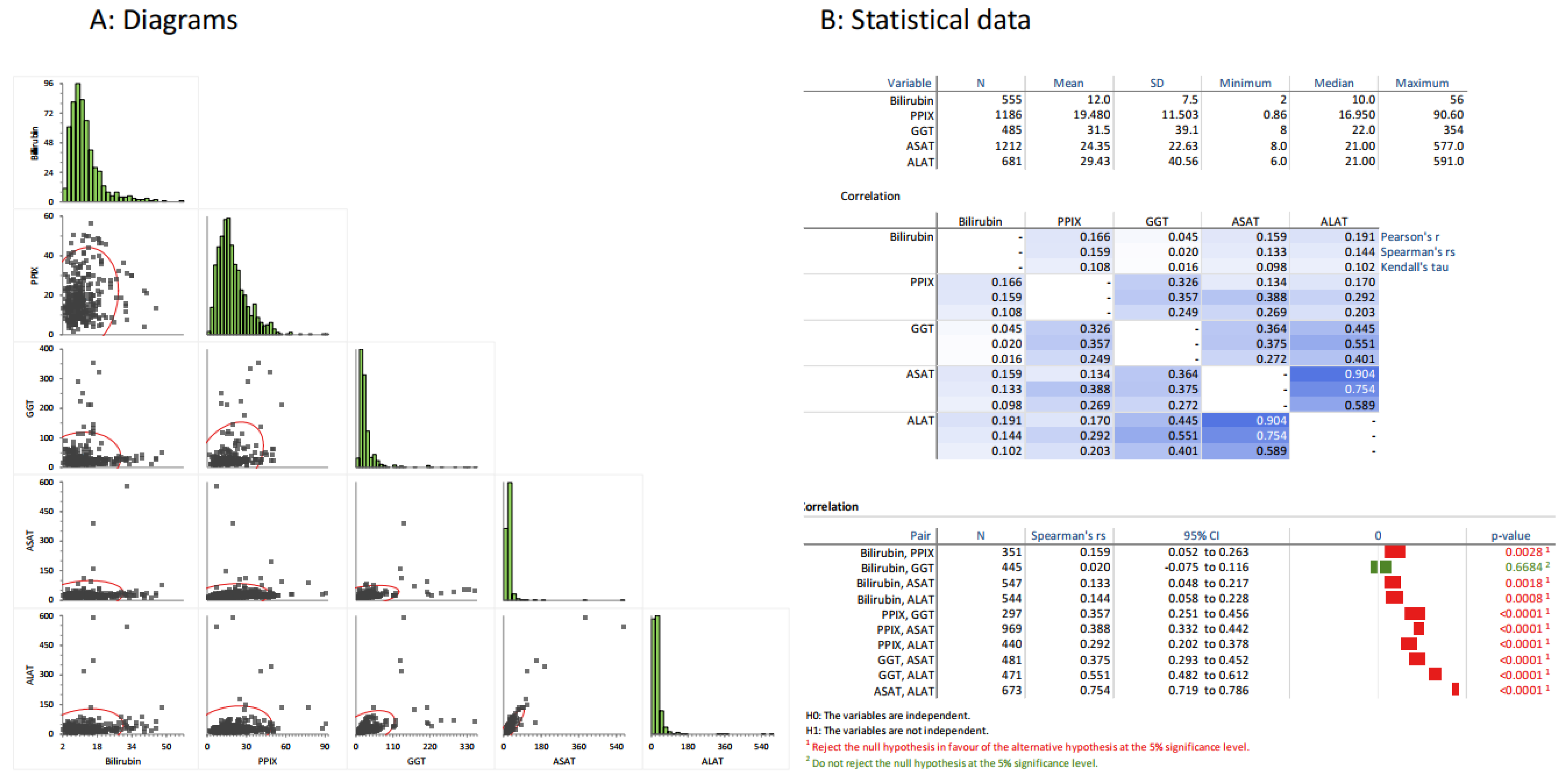
Correlation of PPIX and liver parameters. Diagram (A): Histograms (green) show the distribution of the laboratory data. The pairwise comparisons for all laboratory data are displayed. Diagram (B): The statistical data for each test, including mean, SD, median, minimum, and maximum, are displayed.
Source:PubMed[5]
The Australian company EpiTan has conducted research on a new topical formulation of Melanotan (Ⅰ):
Melanotan (Ⅰ) is an analog of α-melanocyte-stimulating hormone, used to prevent sun damage. It stimulates the production of melanin, darkens the skin, and thus protects the skin from ultraviolet radiation.
There are three clinical studies that have verified the safety of Melanotan-1. In the first study, 4 subjects were randomly assigned to receive Melanotan-1 (0.08mg/kg subcutaneous injection per day), and another 4 subjects received isotonic sodium chloride (9%) solution injection for 10 days, followed by UV-B light irradiation at 3 times the minimum erythema dose (MED) on the neck.
The results showed that 3 out of 4 subjects who received Melanotan-1 achieved tanning, and the number of sunburned cells in the irradiated neck area of these subjects decreased by 47% (Dorr RT).
In the second study, the dose of MT-1 was increased to 0.16mg/kg per day for 10 days.
During (n = 7) or after (n = 5) the MT-1 administration period, the buttock area was exposed to UV-B radiation (0.25 - 0.75 MED). The results showed that the higher dose of MT-1 darkened more skin areas (Dorr RT).In the third study, 8 subjects were randomly assigned to receive half-back sunlight exposure for 3 - 5 days or sunlight exposure plus 0.16mg/kg of MT-1, 5 days a week for 4 weeks. The results showed that the back tanning in the MT-1 group was significantly enhanced, and this tanning effect lasted at least 3 weeks longer than that of the control group that only received sunlight exposure, while the control group needed 50% more sunlight exposure time to achieve the same degree of tanning [6].
The application of Melanotan-1 in melanoma research:
Melanoma is a highly malignant skin tumor, and current treatment methods include surgery, radiotherapy, chemotherapy, and immunotherapy. As an MCR agonist, Melanotan-1 may play a potential therapeutic role by regulating the growth, differentiation, and apoptosis of melanoma cells. Some studies have shown that Melanotan-1 can inhibit the proliferation and invasion of melanoma cells and induce the apoptosis of melanoma cells [7].
Which diseases can Melanotan-1 be used to treat?
Erythropoietic protoporphyria (EPP):
Erythropoietic protoporphyria is a hereditary porphyria caused by low ferrochelatase activity, leading to the accumulation of protoporphyrin in red blood cells, plasma, liver, and skin. Patients are usually sensitive to sunlight, and when exposed to the sun, they will experience symptoms such as skin pain, itching, erythema, and blisters. Melanotan-1 reduces the symptoms of EPP patients by stimulating the production of melanin in the skin and increasing the skin's protection against ultraviolet rays. Studies have shown that Melanotan-1 can significantly reduce the frequency and severity of phototoxic reactions in EPP patients and improve their quality of life [8].
Congenital erythropoietic porphyria (CIPA):
Congenital erythropoietic porphyria is a rare autosomal recessive genetic disease, mainly caused by mutations in the hydroxymethylbilane synthase (HMBS) gene, leading to abnormal porphyrin metabolism. Patients are extremely sensitive to light, and their skin and eyes are easily damaged. Melanotan-1 can also provide certain protection against ultraviolet rays for CIPA patients by increasing the production of skin melanin and reducing their symptoms[9] .
Solar urticaria:
For patients with solar urticaria, Melanotan-1 can also enhance the skin's protection against ultraviolet rays and reduce the frequency and severity of urticaria symptoms [10].
Polymorphous light eruption (PMLE):
Studies have shown that Melanotan-1 also has a certain therapeutic effect on PMLE patients, which can reduce the occurrence of rashes and improve the quality of life of patients[10].
Vitiligo:
Melanotan-1 may play a certain role in promoting the repigmentation of vitiligo patients by promoting the proliferation and differentiation of melanocytes. Although there are relatively few studies on its application in the treatment of vitiligo at present, the preliminary results show certain potential[10].
Acne:
The therapeutic effect of Melanotan-1 on acne may be related to its regulation of the immune system and reduction of the inflammatory response. Some studies have found that Melanotan-1 can relieve the inflammatory symptoms of acne and promote the healing of skin lesions[10].
Hailey-Hailey disease:
Melanotan-1 has also shown certain therapeutic effects in the treatment of Hailey-Hailey disease. This rare skin disease is characterized by repeated blisters and erosions on the skin. Melanotan-1 may improve the symptoms of patients by regulating the function of skin cells[10].
In conclusion, as a synthetic analog of α-melanocyte-stimulating hormone (α-MSH), Melanotan-1 (melanotan I) is of great significance in the field of skin health. It can increase the melanin content in the skin, helping the skin better resist the damage of ultraviolet rays, thus preventing sunburn, reducing skin aging, and lowering the risk of skin cancer. By activating the melanocortin receptor, Melanotan-1 promotes the production and distribution of melanin, forming a natural "sunscreen" to protect skin cells from DNA damage induced by ultraviolet rays and the damage of free radicals.
In the treatment of skin diseases, Melanotan-1 also shows potential application value. For pigmentation disorders such as vitiligo, it can stimulate the activity of melanocytes and promote the synthesis of melanin, helping to restore the normal pigmentation of the skin. In addition, it also has certain potential in the treatment of diseases with uneven pigmentation such as melasma. By regulating the distribution and metabolism of melanin, it can improve the skin color and uniformity.
As a polypeptide substance, Melanotan-1 is gradually receiving more attention and research in the fields of dermatology and cosmetology, providing people with a new option to deal with skin pigment-related problems. It should be noted that the medical application of Melanotan-1 still requires rigorous evaluation. Currently, most studies have a small sample size and limited long-term safety data. However, with the development of new sustained-release formulations and local drug delivery systems, its prospects for clinical translation are promising.
For Research Use Only
This compound is provided exclusively for in vitro laboratory research. It is not intended for human or animal consumption, diagnosis, treatment, or medical use. Not for dietary, cosmetic, or veterinary purposes. This product has not been evaluated by the U.S. Food and Drug Administration or any other regulatory authority.
Disclaimer
All information is for educational purposes only. Humatide makes no claims regarding efficacy or safety. Purchasers are responsible for ensuring proper handling and use in compliance with all applicable laws and regulations.
Terms of Sale
By purchasing from Humatide, you confirm that you are a qualified researcher with the knowledge and facilities to safely handle and store research chemicals. All sales are final. Humatide assumes no liability for misuse, misrepresentation, or unintended consequences arising from the use of this product.
ALL ARTICLES AND PRODUCT INFORMATION PROVIDED ON THIS WEBSITE ARE SOLELY FOR INFORMATION DISSEMINATION AND EDUCATIONAL PURPOSES.
The products provided on this website are intended exclusively for in vitro research. In vitro research (Latin: *in glass*, meaning in glassware) is conducted outside the human body. These products are not pharmaceuticals, have not been approved by the U.S. Food and Drug Administration (FDA), and must not be used to prevent, treat, or cure any medical condition, disease, or ailment. It is strictly prohibited by law to introduce these products into the human or animal body in any form.
Polypeptide Purity Control and Verification Technical System
Humatide.com provides peptides with purity exceeding 99%. Humatide achieves precise control and scientific verification of polypeptide purity by integrating advanced technologies and a full-process quality control system: In the synthesis stage, automated solid-phase peptide synthesis (SPPS) is employed to accurately assemble amino acid sequences. A gradient purification strategy ranging from medium-pressure liquid chromatography (MPLC) to preparative high-performance liquid chromatography (Prep-HPLC) is utilized, optimizing mobile phase composition and elution conditions based on the physicochemical properties of the target peptide (hydrophobicity, charge distribution, etc.) to efficiently remove impurities. For purity detection, reverse-phase high-performance liquid chromatography (RP-HPLC) serves as the core technique, separating components through the distribution difference of molecules between the stationary phase (hydrophobic packing) and the mobile phase (polar solvent). Purity is determined via retention time matching and peak area normalization. Meanwhile, electrospray ionization mass spectrometry (ESI-MS) is combined to precisely verify the molecular weight and composition through mass-to-charge ratio (m/z) analysis, eliminating structurally heterogeneous impurities. Quality management covers the entire chain from raw material acceptance, synthesis process monitoring to finished product release. A continuous quality fingerprint is constructed using multi-dimensional indicators (HPLC purity, MS molecular weight, solvent residue, etc.), and batch data traceability is achieved through a laboratory information management system (LIMS), ensuring each batch meets the prespecified purity standards. This system provides a reliable technical guarantee for preparing high-purity polypeptides through the organic integration of process optimization, multi-dimensional detection, and full-process quality control.
Concepts of High-Performance Liquid Chromatography (HPLC) and Mass Spectrometry (MS)
High-performance liquid chromatography (HPLC) is a separation technology widely used by Humatide for peptide purification. Driven by a high-pressure pump, the mobile phase carries samples through a chromatographic column packed with a specific stationary phase, achieving separation based on differences in the distribution coefficients of components between the two phases. It features high separation efficiency, fast analysis speed, and strong detection sensitivity, enabling precise capture of subtle differences between target peptides and impurities such as sequence analogs or deletion peptides.
Mass spectrometry (MS) is an analytical method that converts peptide molecules into gas-phase ions through ionization technology and separates/detects ions based on their mass-to-charge ratio (m/z). It can accurately determine the molecular weight of peptides and infer amino acid sequences through fragment ion information, serving as a key technology for verifying peptide structural correctness. The combination of these two techniques allows Humatide to establish a complete quality control system from both purity separation and structural confirmation perspectives. Both methods are high-precision peptide detection technologies that scientifically demonstrate the purity and composition of peptides ordered from Humatide.com.
Humatide is committed to translating cutting-edge analytical technologies into tangible quality assurance. Our peptide synthesis laboratories are equipped with high-resolution mass spectrometers and ultra-high-performance liquid chromatography systems. Through real-time detection and data comparison of samples at each production stage, we continuously optimize synthesis processes to ensure every peptide product is delivered to customers with exceptional purity.
Recommended Peptide Purity Levels
Humatide provides only the highest-purity peptides (purity ≥99%) for research and development. The minimum recommended peptide purity level for specific applications depends on the application:
• In biochemical research, peptides used for enzyme activity analysis typically require ≥85% purity.
• In drug development, peptides for preclinical trials must meet >98% high-purity standards to ensure biological activity and safety.
• For diagnostic applications (e.g., antigen peptides in immunoassays), recommended purity is 90%-95% to guarantee detection specificity and sensitivity.
Humatide is confident in the quality of all our products, implementing strict quality monitoring at every stage of peptide synthesis—from crude peptide purification to final product release. Through multi-step purification and verification processes, we ensure each batch meets or exceeds the purity requirements for specific applications. Examples of acceptable minimum purity levels are as follows:
High Purity (>95%)
• Polypeptide drug research and production
• Preparation of targeted therapeutic drugs
• Raw materials for biological diagnostic reagents (e.g., ELISA, immunoassay kits)
• Development of polypeptide vaccines (therapeutic/preventive)
• Preparation of targeting peptides for antibody-drug conjugates (ADCs)
• Polypeptide reagents for life science research (e.g., receptor agonists/antagonists)
• Research on targeting peptide modification for gene therapy vectors
• Development of polypeptide antibiotics/antimicrobial peptides
• Preparation of polypeptide hormone analogs (e.g., insulin analogs)
• Reference standards for biomarker detection
• Research on cell culture additives
• Synthetic peptides for protein structure analysis and functional studies
Moderate Purity (>85%)
• Early-stage activity screening in polypeptide drug research
• Peptide additives for industrial enzymes
• Signal peptide raw materials
• Surface modification of biomaterials (e.g., medical catheters, tissue engineering scaffolds)
• Preparation of agricultural antimicrobial peptides
• Cell adhesion research
• Raw materials for polypeptide surfactants/detergents
• Polypeptide reagents for preliminary mechanistic research in scientific studies
Lower Purity (>70%)
• Preliminary structure-activity relationship (SAR) studies
• Initial verification of protein binding
• Primary cytotoxicity screening
• High-throughput screening of polypeptide drug lead compounds
Please note
**We are not responsible for reconstitution or any issue that arise from it**
High-purity polypeptides are suitable for scenarios requiring strict purity. The ultra-high-purity peptides provided by Humatide can meet and exceed all prespecified purity standards.
To View the latest Certificate of Analysis (CoA) click the "View Latest 3rd Party Certificate of Analysis" button on the product page. Please use that if you are looking to buy as that is the batch you'll receive if you place an order. The QRCode will give you the Batch ID/Lot Number which is matched on the CoA to validate that CoA matches your specific vial. If you happen to get a vial that is from a previous batch select the "Previous Batch 3rd Party Certificate of Analysis" if your Batch ID doesn't match the latest CoA.
All CoA are searchable via the respective testers' website.
ILS Labs Verification is available on their website at:
To validate the CoA on the ILS Labs website enter the Access Code that is located on the bottom of the CoA that is shown on our website.
We also use MDx Biolabs, verification is available via their website at:
https://mdxbiolabs.com/certificates-of-analysis
To find validate the CoA on the MDx Biolabs website enter the COA number which is located at the bottom of the CoA that is shown on our website.

Be the first to know about new products, sales, and exclusive offers.