HMG

$45
HMG: 75IU

HMG Overview

HMG (Human Menopausal Gonadotrophin ), an important gonadotropin, is widely used in the treatment of male infertility, specific types of female infertility, and assisted reproductive technologies. Its mechanism of action involves providing exogenous follicle-stimulating hormone (FSH) and luteinizing hormone (LH) to mimic the natural hormonal environment in the body. In females, this promotes the development and maturation of ovarian follicles, stimulates estrogen secretion by the ovaries, and enhances endometrial proliferation. In males, HMG accelerates the development of seminiferous tubules in the testes, promotes spermatogonia division, and facilitates sperm maturation. 

Peptide Information

Property Value
Peptide Sequence
Molecular Formula C9H18O
Molecular Weight 142.24 g/mol
CAS Number 61489-71-2
PubChem CID 21888462
Synonyms Human Menopausal Gonadotrophin;6,6-dimethylheptanal;Menotrophin;Menotropin


HMG Research


What is the research background of HMG?

The Development of Early Reproductive Endocrine Theory

At the end of the 19th century and the beginning of the 20th century, scientists gradually recognized the crucial role of the endocrine system in regulating human physiological functions. With the in-depth study of reproductive physiology, people began to understand that the gonadotropins secreted by the pituitary gland play a key regulatory role in the development of the gonads and reproductive functions. This laid the theoretical foundation for the subsequent discovery and research of HMG.


The Discovery of HMG

In the 1930s, researchers found that the urine of postmenopausal women contained a substance that could promote the development of the gonads. At that time, through bioassays, it was observed that injecting the urine of postmenopausal women into experimental animals could cause changes in the animals' gonads. This discovery initiated the research on the gonadotropin substances in the urine of postmenopausal women.


After years of research and the development of purification techniques, it was not until the 1950s that scientists successfully isolated the substance with gonadotropin activity from the urine of postmenopausal women and named it Human Menopausal Gonadotropin (HMG).


The Source of HMG

HMG is mainly derived from the urine of postmenopausal women. After menopause, the ovarian function of women declines, and the secretion of estrogen decreases. The negative feedback effect on the hypothalamus-pituitary axis weakens, leading to an increase in the secretion of gonadotropins by the pituitary gland, including Follicle-Stimulating Hormone (FSH) and Luteinizing Hormone (LH). These hormones are excreted into the urine through the kidneys. Therefore, HMG can be extracted and purified from the urine of postmenopausal women.


The In-depth Research Driven by Clinical Needs

With the deepening of the understanding of HMG, its clinical application value has gradually emerged. At that time, there were many reproductive disorders caused by hypogonadism in clinical practice, such as female ovulation disorders and male hypogonadotropic hypogonadism. The emergence of HMG provided a new treatment method for these diseases.


What is the mechanism of action of HMG?


Stimulating Follicular Development:

Promoting Follicular Growth: 

HMG contains Follicle-Stimulating Hormone (FSH) and Luteinizing Hormone (LH) components. FSH plays a crucial role in the early stage of follicular development. It can stimulate the primordial follicles in the ovary to develop into primary follicles, and further develop into secondary follicles and mature follicles. By binding to the receptors on the granulosa cells of the follicles, FSH activates the intracellular signaling pathway, promotes cell proliferation and differentiation, and increases the synthesis of estrogen in the follicles. The secretion of estrogen, in turn, promotes the expression of FSH receptors, forming a positive feedback mechanism that further promotes the growth and development of the follicles [1].


Regulating the Balance of Follicular Growth: 

LH plays an important role in the later stage of follicular development. It binds to the receptors on the theca cells of the follicles and stimulates the synthesis of androgens. Androgens are converted into estrogen in the granulosa cells, further promoting the growth and maturation of the follicles. The LH component in HMG can regulate the ratio of FSH and LH, maintain the balance of follicular growth, and avoid excessive or insufficient stimulation [1].


Inducing Ovulation:

Triggering the Ovulation Process: 

When the follicles are mature, the LH component in HMG can trigger the ovulation process. The peak of LH will cause the rupture of the follicular wall and the release of mature eggs. At the same time, LH can also promote the formation of the corpus luteum, which secretes progesterone, providing a suitable environment for the implantation of the fertilized egg and the early development of the embryo[1].


Regulating the Endocrine System:

Influencing Hormone Levels: 

HMG affects the hormone levels in women's bodies by regulating ovarian function. It can increase the secretion of estrogen, progesterone, and androgens, and these hormones play important regulatory roles in women's reproductive systems, bones, cardiovascular systems, etc. For example, estrogen can maintain the function of women's reproductive organs, promote the growth and repair of the endometrium, and prevent osteoporosis; progesterone can maintain pregnancy and regulate the menstrual cycle, etc.[1].


Feedback Regulation Mechanism: 

The regulation of the endocrine system by HMG also involves a feedback regulation mechanism. When the hormone levels in the body increase, the hypothalamus and pituitary gland will be inhibited from secreting Gonadotropin-Releasing Hormone (GnRH), FSH, and LH through a negative feedback mechanism, thus regulating the hormone secretion levels and maintaining the balance of the endocrine system[1].

What are the applications of HMG?

1. Female Infertility Related to Idiopathic Hypogonadotropic Hypogonadism (IHH)

HMG can be used to treat female infertility caused by IHH. By providing FSH and LH, HMG can induce follicular development and ovulation, thus helping patients achieve natural pregnancy or pregnancy through assisted reproductive technologies. For patients who do not respond well to the conventional dose of HMG, the use of a high dose of HMG or combination with other drugs (such as letrozole) can be considered to improve the follicular response[2].

2. Treatment of Diminished Ovarian Reserve (DOR)

For women with diminished ovarian reserve, HMG can stimulate follicular development by providing a higher concentration of FSH, thus increasing the chance of pregnancy.

3. Prevention and Management of Ovarian Hyperstimulation Syndrome (OHSS)

In assisted reproductive technologies, the use of HMG needs to be cautious to avoid the occurrence of Ovarian Hyperstimulation Syndrome (OHSS). By adjusting the dose and monitoring follicular development, the risk of OHSS can be effectively reduced.

4. Treatment of Male Infertility

HMG contains Follicle-Stimulating Hormone (FSH) and Luteinizing Hormone (LH). The role of FSH it provides can stimulate the growth and development of the seminiferous tubules in the testis and promote spermatogenesis. FSH acts on the Sertoli cells in the testis, promoting the Sertoli cells to secrete androgen-binding protein, increasing the concentration of androgens in the testis, and providing a suitable environment for spermatogenesis. Human Chorionic Gonadotropin (HCG) mimics the role of LH and stimulates the Leydig cells in the testis to secrete testosterone. Testosterone is one of the most important sex hormones in men and plays a vital role in maintaining male secondary sexual characteristics and spermatogenic function. A high concentration of testosterone can promote the maturation and release of sperm. The combined use of HMG and Human Chorionic Gonadotropin (HCG) can mimic the natural effects of FSH and LH in the body and synergistically promote spermatogenesis. This combined treatment method can increase the sex hormone levels in the testis, improve the spermatogenic environment, and increase the quantity and quality of sperm.

5. Applications in Assisted Reproductive Technologies

Promoting Superovulation: 

Some studies have shown that in the superovulation protocol for sheep, injecting HMG once a day and injecting Follicle-Stimulating Hormone (FSH) twice a day for four days can produce comparable superovulation responses and embryo transfer results[1]. This means that HMG can replace FSH and reduce the number of injections, providing a feasible option for the superovulation protocol of animals.

In human assisted reproductive technologies, HMG is also widely used to promote ovarian ovulation. By stimulating the development of follicles in the ovary, it increases the number of mature eggs and improves the chance of pregnancy.

Inducing Estrus:

 In Awassi ewes, using HMG for estrus induction shows a higher estrus rate and pregnancy rate compared with Pregnant Mare Serum Gonadotropin (PMSG) [3]. Specifically, the estrus response percentage in the HMG treatment group is 85% (17/20), and the pregnancy rate is 85% (17/20). This indicates that HMG has a high success rate in the estrus synchronization program for sheep.

HMG is a key gonadotropin widely used in the treatment of male infertility, specific types of female infertility, and assisted reproductive technologies. Its core function lies in supplementing exogenous Follicle-Stimulating Hormone (FSH) and Luteinizing Hormone (LH) to rebuild the hormonal balance in the body, thereby promoting follicular development, ovulation, and spermatogenesis. This mechanism helps regulate the functions of the reproductive system by mimicking the natural hormonal environment of the human body, especially playing an important role in assisted reproductive technologies.

Relevant Citations

[1] Zhang J, Lu X, Liu Y, et al. Potential role for human menopausal gonadotropin in ovine superovulatory regimens  during the breeding season[J]. Reproduction in Domestic Animals, 2023,58(6):726-733.DOI:10.1111/rda.14342.

[2] Ma Y, Li M, Song J, et al. Application of Human Menopausal Gonadotropins in the Treatment of Idiopathic  Hypogonadotropic Hypogonadism (IHH)-Based Infertility in Females: A Case Report[J]. International Medical Case Reports Journal, 2023,16:699-704.DOI:10.2147/IMCRJ.S428018.

[3] Hussein E K, Naoman U T, Al-Ajeli R R. Induction of estrus using human menopausal gonadotrophin in Iraqi Awassi ewes[J]. Iraqi Journal of Veterinary Sciences, 2021:0-0. DOI:10.33899/IJVS.2020.127132.1466

For Research Use Only
This compound is provided exclusively for in vitro laboratory research. It is not intended for human or animal consumption, diagnosis, treatment, or medical use. Not for dietary, cosmetic, or veterinary purposes. This product has not been evaluated by the U.S. Food and Drug Administration or any other regulatory authority.


Disclaimer
All information is for educational purposes only. Humatide makes no claims regarding efficacy or safety. Purchasers are responsible for ensuring proper handling and use in compliance with all applicable laws and regulations.


Terms of Sale
By purchasing from Humatide, you confirm that you are a qualified researcher with the knowledge and facilities to safely handle and store research chemicals. All sales are final. Humatide assumes no liability for misuse, misrepresentation, or unintended consequences arising from the use of this product.

ALL ARTICLES AND PRODUCT INFORMATION PROVIDED ON THIS WEBSITE ARE SOLELY FOR INFORMATION DISSEMINATION AND EDUCATIONAL PURPOSES.

The products provided on this website are intended exclusively for in vitro research. In vitro research (Latin: *in glass*, meaning in glassware) is conducted outside the human body. These products are not pharmaceuticals, have not been approved by the U.S. Food and Drug Administration (FDA), and must not be used to prevent, treat, or cure any medical condition, disease, or ailment. It is strictly prohibited by law to introduce these products into the human or animal body in any form.


Polypeptide Purity Control and Verification Technical System

Humatide.com provides peptides with purity exceeding 99%. Humatide achieves precise control and scientific verification of polypeptide purity by integrating advanced technologies and a full-process quality control system: In the synthesis stage, automated solid-phase peptide synthesis (SPPS) is employed to accurately assemble amino acid sequences. A gradient purification strategy ranging from medium-pressure liquid chromatography (MPLC) to preparative high-performance liquid chromatography (Prep-HPLC) is utilized, optimizing mobile phase composition and elution conditions based on the physicochemical properties of the target peptide (hydrophobicity, charge distribution, etc.) to efficiently remove impurities. For purity detection, reverse-phase high-performance liquid chromatography (RP-HPLC) serves as the core technique, separating components through the distribution difference of molecules between the stationary phase (hydrophobic packing) and the mobile phase (polar solvent). Purity is determined via retention time matching and peak area normalization. Meanwhile, electrospray ionization mass spectrometry (ESI-MS) is combined to precisely verify the molecular weight and composition through mass-to-charge ratio (m/z) analysis, eliminating structurally heterogeneous impurities. Quality management covers the entire chain from raw material acceptance, synthesis process monitoring to finished product release. A continuous quality fingerprint is constructed using multi-dimensional indicators (HPLC purity, MS molecular weight, solvent residue, etc.), and batch data traceability is achieved through a laboratory information management system (LIMS), ensuring each batch meets the prespecified purity standards. This system provides a reliable technical guarantee for preparing high-purity polypeptides through the organic integration of process optimization, multi-dimensional detection, and full-process quality control.


Concepts of High-Performance Liquid Chromatography (HPLC) and Mass Spectrometry (MS)

High-performance liquid chromatography (HPLC) is a separation technology widely used by Humatide for peptide purification. Driven by a high-pressure pump, the mobile phase carries samples through a chromatographic column packed with a specific stationary phase, achieving separation based on differences in the distribution coefficients of components between the two phases. It features high separation efficiency, fast analysis speed, and strong detection sensitivity, enabling precise capture of subtle differences between target peptides and impurities such as sequence analogs or deletion peptides.

Mass spectrometry (MS) is an analytical method that converts peptide molecules into gas-phase ions through ionization technology and separates/detects ions based on their mass-to-charge ratio (m/z). It can accurately determine the molecular weight of peptides and infer amino acid sequences through fragment ion information, serving as a key technology for verifying peptide structural correctness. The combination of these two techniques allows Humatide to establish a complete quality control system from both purity separation and structural confirmation perspectives. Both methods are high-precision peptide detection technologies that scientifically demonstrate the purity and composition of peptides ordered from Humatide.com.

Humatide is committed to translating cutting-edge analytical technologies into tangible quality assurance. Our peptide synthesis laboratories are equipped with high-resolution mass spectrometers and ultra-high-performance liquid chromatography systems. Through real-time detection and data comparison of samples at each production stage, we continuously optimize synthesis processes to ensure every peptide product is delivered to customers with exceptional purity.


Recommended Peptide Purity Levels

Humatide provides only the highest-purity peptides (purity ≥99%) for research and development. The minimum recommended peptide purity level for specific applications depends on the application:

• In biochemical research, peptides used for enzyme activity analysis typically require ≥85% purity.

• In drug development, peptides for preclinical trials must meet >98% high-purity standards to ensure biological activity and safety.

• For diagnostic applications (e.g., antigen peptides in immunoassays), recommended purity is 90%-95% to guarantee detection specificity and sensitivity.

Humatide is confident in the quality of all our products, implementing strict quality monitoring at every stage of peptide synthesis—from crude peptide purification to final product release. Through multi-step purification and verification processes, we ensure each batch meets or exceeds the purity requirements for specific applications. Examples of acceptable minimum purity levels are as follows:


High Purity (>95%)

• Polypeptide drug research and production

• Preparation of targeted therapeutic drugs

• Raw materials for biological diagnostic reagents (e.g., ELISA, immunoassay kits)

• Development of polypeptide vaccines (therapeutic/preventive)

• Preparation of targeting peptides for antibody-drug conjugates (ADCs)

• Polypeptide reagents for life science research (e.g., receptor agonists/antagonists)

• Research on targeting peptide modification for gene therapy vectors

• Development of polypeptide antibiotics/antimicrobial peptides

• Preparation of polypeptide hormone analogs (e.g., insulin analogs)

• Reference standards for biomarker detection

• Research on cell culture additives

• Synthetic peptides for protein structure analysis and functional studies


Moderate Purity (>85%)

• Early-stage activity screening in polypeptide drug research

• Peptide additives for industrial enzymes

• Signal peptide raw materials

• Surface modification of biomaterials (e.g., medical catheters, tissue engineering scaffolds)

• Preparation of agricultural antimicrobial peptides

• Cell adhesion research

• Raw materials for polypeptide surfactants/detergents

• Polypeptide reagents for preliminary mechanistic research in scientific studies


Lower Purity (>70%)

• Preliminary structure-activity relationship (SAR) studies

• Initial verification of protein binding

• Primary cytotoxicity screening

• High-throughput screening of polypeptide drug lead compounds


Please note

**We are not responsible for reconstitution or any issue that arise from it**


High-purity polypeptides are suitable for scenarios requiring strict purity. The ultra-high-purity peptides provided by Humatide can meet and exceed all prespecified purity standards.

Humatide Shipping & Delivery

Shipping Methods & Delivery Times

Standard handling is 24 hours excluding Holidays and Weekends

International Shipping – Not available at this time.

The explained transit time are not guaranteed.  Humatide is not responsible nor will refunds be given due to transit delays.

Order Tracking

Once your order has shipped, you’ll receive an email with a tracking number and link.
If you experience any tracking issues, reach out to us at help@humatide.com.

Shipping Issues

If your order arrives damaged, incorrect, or incomplete, contact us within 48 hours of delivery at help@humatide.com.  Please have photos available to expedite inquires.  We’ll make it right with a replacement or refund.

Carrier Delays

Humatide is not responsible for delivery delays caused by:

  • Severe weather
  • Carrier errors
  • Events outside our control
  • Extended transit times in rural areas
  • Holidays

Address Accuracy

Please double-check your shipping address during checkout.
We are not responsible for orders delayed or lost due to incomplete or incorrect addresses.

Delivery Confirmation

If tracking shows your package as delivered but you haven’t received it:

Contact UPS directly.

We’re happy to assist with a carrier claim, but Humatide is not liable for lost or stolen packages after confirmed delivery.

Returns & Exchanges

Refund Policy
Due to the sensitive nature of research products, all sales are final.
We cannot accept returns or issue refunds once an order has been shipped. This policy helps ensure product integrity and safety for all of our research partners.

Damaged or Defective Items

If your order is damaged and you declined shipping protection we can only provide you with up to $100 in store credit.  If you did select shipment protection we will replace any damaged good and ship out replacements at no cost.  If your order is incorrect, or missing items, please contact us within 48 hours of delivery so we can resolve the issue.  Please provide photos of the damaged items.

Lost or Stolen Shipments

If your order is lost or stolen and you declined shipping protection the maximum credit we can give you is $100 in store credit.  If you did select shipment protection we will replace the entire order if it's been lost at no charge if it is lost or stolen.  Please contact us within 48 hours of delivery so we can work with UPS to help resolve the issue.  

Final Sale Items

All sales are final and products are not eligible for return or exchange. 

Need Help?

We’re here to help.
Contact our support team anytime at help@humatide.com with any questions about shipping or returns.

To View the latest Certificate of Analysis (CoA) click the "View Latest 3rd Party Certificate of Analysis" button on the product page.  Please use that if you are looking to buy as that is the batch you'll receive if you place an order.  The QRCode will give you the Batch ID/Lot Number which is matched on the CoA to validate that CoA matches your specific vial.  If you happen to get a vial that is from a previous batch select the "Previous Batch 3rd Party Certificate of Analysis" if your Batch ID doesn't match the latest CoA.   

All CoA are searchable via the respective testers' website. 

ILS Labs Verification is available on their website at:  

https://ils-lab.com/verify

To validate the CoA on the ILS Labs website enter the Access Code that is located on the bottom of the CoA that is shown on our website.   

We also use MDx Biolabs, verification is available via their website at:  

https://mdxbiolabs.com/certificates-of-analysis

To find validate the CoA on the MDx Biolabs website enter the COA number which is located at the bottom of the CoA that is shown on our website.  
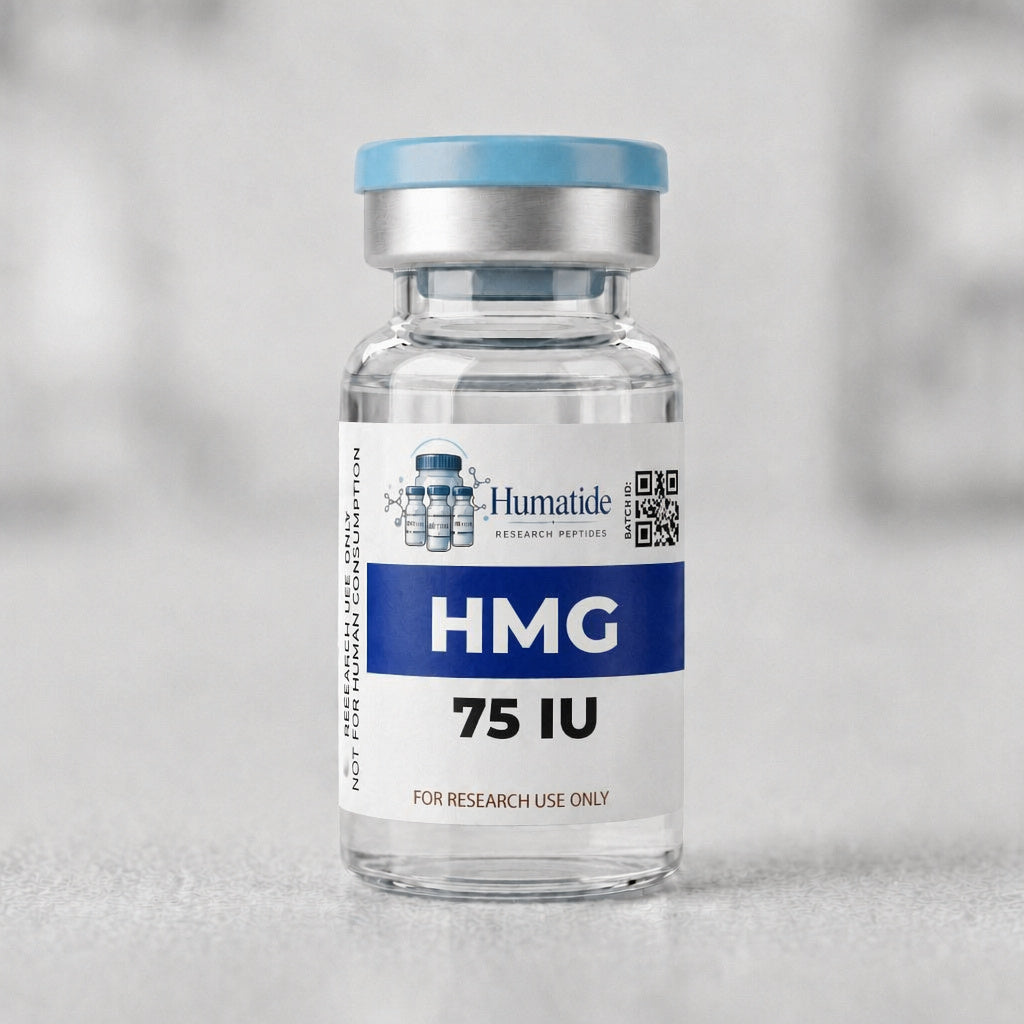


HMG
HMG
75IU
$45

Recently viewed