Be the first to write a review
0%
(0)
0%
(0)
0%
(0)
0%
(0)
0%
(0)
What is the research background of FOXO4-DRI?
In-depth Research on Cellular Senescence:
With the continuous in-depth study of the mechanism of cellular senescence, it has been found that cellular senescence plays a key role in many physiological processes as well as the occurrence and development of diseases. Senescent cells will accumulate and secrete a variety of cytokines and inflammatory mediators, affecting the functions of surrounding cells, and thus leading to the decline of tissue and organ functions. Therefore, finding methods to intervene in the process of cellular senescence has become a research hotspot.
Discovery of FOXO4 Protein:
FOXO4 is a member of the forkhead box protein O family (FOXO) and plays an important role in various biological processes such as cell growth, differentiation, apoptosis, and stress response. Studies have found that FOXO4 is closely related to cellular senescence, and it can affect the senescence process of cells by regulating the expression of a series of genes. For example, FOXO4 can activate the expression of some antioxidant genes and DNA repair genes, enhancing the cell's resistance to oxidative stress and DNA damage, thereby delaying cellular senescence.
Screening of Small Molecule Compounds:
Based on the understanding of the function of the FOXO4 protein, scientists began to screen small molecule compounds that can regulate the activity of FOXO4. They hoped to find a small molecule substance that could specifically activate the FOXO4 protein, thus exerting its anti-aging effect and treating related diseases. After a large number of experimental screenings and optimizations, the small molecule compound FOXO4-DRI was finally discovered. It can specifically bind to the FOXO4 protein, activate its downstream signaling pathway, and play a role in regulating cellular senescence and related physiological functions.
What is the mechanism of action of FOXO4-DRI?
1. Anti-aging
FOXO4-DRI can activate the FOXO4 protein, and then regulate the cell's metabolism, proliferation, and apoptosis processes. The FOXO4 protein plays an important regulatory role in cells. It can enhance the cell's resistance to stress by regulating the expression of a series of downstream genes, and reduce cellular senescence and damage. For example, FOXO4 can promote the expression of antioxidant enzymes and reduce the level of intracellular reactive oxygen species, thus alleviating the damage of oxidative stress to cells[1, 2]. In addition, FOXO4 can also regulate the expression of genes related to the cell cycle, inhibit excessive cell proliferation, and maintain the normal metabolism and function of cells.
2. Mechanism of Action in Male Late-Onset Hypogonadism
Interaction with FOXO4 and p53:
Male late-onset hypogonadism is an age-related disease, and its core mechanism is the dysfunction of senescent Leydig cells in the testis. It has been found that the forkhead box O (FOXO) transcription factor FOXO4 is specifically expressed in human Leydig cells, and its translocation to the nucleus in the elderly is related to the decrease in testosterone synthesis. As a specific FOXO4 blocker, FOXO4-DRI selectively induces p53 nuclear exclusion and apoptosis in senescent Leydig cells by disrupting the interaction between FOXO4 and p53[1].
Improving the Testicular Microenvironment:
In naturally aged mice, FOXO4-DRI can improve the testicular microenvironment and alleviate age-related testosterone deficiency. This indicates that FOXO4-DRI may restore the normal function of testicular tissue by regulating the signaling pathway related to the senescence of Leydig cells, thereby increasing the testosterone secretion level[1].
3. Mechanism of Action in Pulmonary Fibrosis
Reducing Senescent Cells and Downregulating SASP Expression:
Pulmonary fibrosis is a progressive interstitial lung disease with limited treatment options. Cellular senescence is considered one of the pathogenic factors of pulmonary fibrosis, and the elimination of senescent cells can improve lung function. In a mouse model of pulmonary fibrosis induced by bleomycin, FOXO4-DRI, similar to the approved drug pirfenidone, can reduce senescent cells, downregulate the expression of the senescence-associated secretory phenotype (SASP), and alleviate the morphological changes and collagen deposition induced by bleomycin[2].
Influencing the Proportion of Cell Types:
FOXO4-DRI can increase the proportion of type 2 alveolar epithelial cells (AEC2) and fibroblasts and reduce the proportion of myofibroblasts in a mouse model of pulmonary fibrosis induced by bleomycin. In in vitro experiments, compared with mouse and human lung fibroblast cell lines, FOXO4-DRI has a greater tendency to kill myofibroblasts induced by transforming growth factor-β (TGF-β)[2].
Regulating the Extracellular Matrix Receptor Interaction Pathway:
The inhibitory effect of FOXO4-DRI on myofibroblasts leads to the downregulation of the extracellular matrix (ECM) receptor interaction pathway in bleomycin-induced pulmonary fibrosis. This indicates that FOXO4-DRI may improve the pathological process of pulmonary fibrosis by regulating the generation and metabolism of the ECM[2].
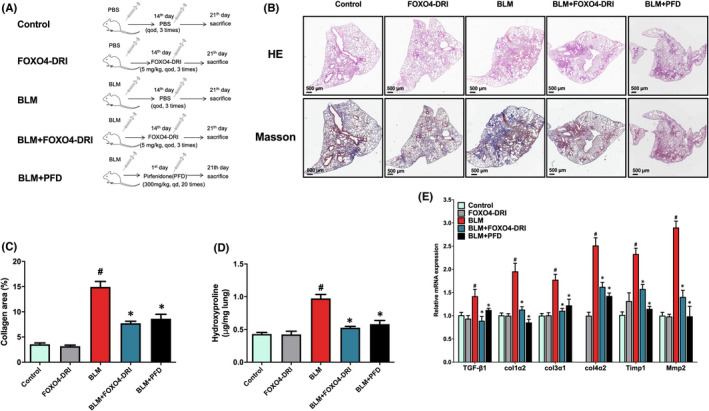
FOXO4-DRI ameliorates bleomycin (BLM)-induced pulmonary fibrosis (PF). (A) Schematic diagram illustrating the experimental design. (B) Representative scanned images of haematoxylin-eosin (HE) staining and Masson trichrome-staining of lung tissue sections.
Source:PubMed[2]
What are the applications of FOXO4-DRI?
1. Anti-aging
FOXO4-DRI has potential value in improving age-related functional decline. With the increase of age, various organs and systems of the body will experience different degrees of aging and functional decline, such as the decrease in immune system function, the weakening of cardiovascular system function, and the decline of nervous system function. By activating the FOXO4 protein, FOXO4-DRI can delay the process of cellular senescence, improve cell vitality and function, and thus help improve the overall health of the body. For example, in an aged mouse model, treatment with FOXO4-DRI can significantly improve the exercise ability and cognitive function of the mice and reduce the occurrence of age-related diseases[1, 2].
2. Treatment of Neurodegenerative Diseases
Relationship with Neuron Aging and Death:
Neurodegenerative diseases such as Alzheimer's disease and Parkinson's disease are closely related to the aging and death of neurons. In these diseases, neurons will be damaged by various factors such as oxidative stress, inflammatory response, and protein aggregation, leading to the gradual loss of neuronal function and ultimately causing cognitive and motor function disorders. By activating the FOXO4 signaling pathway, FOXO4-DRI can promote the survival and repair of neurons and enhance their resistance to oxidative stress and apoptotic signals.
The FOXO4 protein can regulate the expression of multiple genes in neurons, including antioxidant enzymes, anti-apoptotic proteins, nerve growth factors, etc. The upregulation of the expression of these genes can protect neurons from damage and promote the regeneration and repair of neurons. For example, in a mouse model of Alzheimer's disease, treatment with FOXO4-DRI can reduce the deposition of amyloid proteins, improve neuronal function, and slow down the progression of the disease. In a Parkinson's disease model, FOXO4-DRI can also protect dopaminergic neurons and improve the exercise ability of mice[3, 4]. Therefore, FOXO4-DRI is expected to be used in the treatment of neurodegenerative diseases to slow down the progression of the disease and improve the cognitive and motor functions of patients.
3. Prevention and Treatment of Cardiovascular Diseases
Protecting Cardiomyocytes:
In the cardiovascular system, FOXO4-DRI can protect cardiomyocytes from oxidative stress and apoptotic damage. Cardiomyocytes are the main functional cells of the heart, and their damage and death are one of the important causes of cardiovascular diseases. FOXO4-DRI can activate the FOXO4 protein, upregulate the expression of antioxidant enzymes, reduce the level of intracellular reactive oxygen species in cardiomyocytes, and alleviate the damage of oxidative stress to cardiomyocytes. At the same time, FOXO4-DRI can also promote the expression of anti-apoptotic proteins, inhibit the activation of the apoptotic signaling pathway, and protect cardiomyocytes from apoptosis[4].
Promoting the Function of Vascular Endothelial Cells:
FOXO4-DRI can also promote the normal function of vascular endothelial cells and maintain the stability and elasticity of blood vessels. Vascular endothelial cells are an important part of the blood vessel wall, and their abnormal function will lead to the occurrence of cardiovascular diseases such as increased vascular permeability, thrombosis, and atherosclerosis. FOXO4-DRI can activate the FOXO4 protein, regulate the expression of multiple genes in vascular endothelial cells, promote the proliferation, migration, and repair of vascular endothelial cells, and maintain the normal function of blood vessels. For example, FOXO4-DRI can upregulate the expression of vascular endothelial growth factor (VEGF), promote the proliferation of vascular endothelial cells and angiogenesis; it can also upregulate the expression of endothelial nitric oxide synthase (eNOS), promote the production of nitric oxide, dilate blood vessels, and reduce blood pressure [4].
Preventing and Treating Cardiovascular Diseases:
In summary, FOXO4-DRI helps prevent and treat cardiovascular diseases such as myocardial infarction, heart failure, and atherosclerosis. In an animal model of myocardial infarction, treatment with FOXO4-DRI can reduce the death of cardiomyocytes, promote the repair of myocardial tissue, and improve heart function. In a heart failure model, FOXO4-DRI can inhibit the apoptosis of cardiomyocytes, enhance myocardial contractility, and improve the pumping function of the heart. In an atherosclerosis model, FOXO4-DRI can reduce the damage of vascular endothelial cells, inhibit the inflammatory response, and reduce the risk of atherosclerosis[4].
In conclusion, through its mechanisms of action, including inducing the apoptosis of senescent cells, improving the tissue microenvironment, and delaying the aging process, FOXO4-DRI shows potential application value in the fields of anti-aging, treatment of testicular hypofunction, radiation-induced pulmonary fibrosis, neurodegenerative diseases, and prevention and treatment of cardiovascular diseases.
For Research Use Only
This compound is provided exclusively for in vitro laboratory research. It is not intended for human or animal consumption, diagnosis, treatment, or medical use. Not for dietary, cosmetic, or veterinary purposes. This product has not been evaluated by the U.S. Food and Drug Administration or any other regulatory authority.
Disclaimer
All information is for educational purposes only. Humatide makes no claims regarding efficacy or safety. Purchasers are responsible for ensuring proper handling and use in compliance with all applicable laws and regulations.
Terms of Sale
By purchasing from Humatide, you confirm that you are a qualified researcher with the knowledge and facilities to safely handle and store research chemicals. All sales are final. Humatide assumes no liability for misuse, misrepresentation, or unintended consequences arising from the use of this product.
ALL ARTICLES AND PRODUCT INFORMATION PROVIDED ON THIS WEBSITE ARE SOLELY FOR INFORMATION DISSEMINATION AND EDUCATIONAL PURPOSES.
The products provided on this website are intended exclusively for in vitro research. In vitro research (Latin: *in glass*, meaning in glassware) is conducted outside the human body. These products are not pharmaceuticals, have not been approved by the U.S. Food and Drug Administration (FDA), and must not be used to prevent, treat, or cure any medical condition, disease, or ailment. It is strictly prohibited by law to introduce these products into the human or animal body in any form.
Polypeptide Purity Control and Verification Technical System
Humatide.com provides peptides with purity exceeding 99%. Humatide achieves precise control and scientific verification of polypeptide purity by integrating advanced technologies and a full-process quality control system: In the synthesis stage, automated solid-phase peptide synthesis (SPPS) is employed to accurately assemble amino acid sequences. A gradient purification strategy ranging from medium-pressure liquid chromatography (MPLC) to preparative high-performance liquid chromatography (Prep-HPLC) is utilized, optimizing mobile phase composition and elution conditions based on the physicochemical properties of the target peptide (hydrophobicity, charge distribution, etc.) to efficiently remove impurities. For purity detection, reverse-phase high-performance liquid chromatography (RP-HPLC) serves as the core technique, separating components through the distribution difference of molecules between the stationary phase (hydrophobic packing) and the mobile phase (polar solvent). Purity is determined via retention time matching and peak area normalization. Meanwhile, electrospray ionization mass spectrometry (ESI-MS) is combined to precisely verify the molecular weight and composition through mass-to-charge ratio (m/z) analysis, eliminating structurally heterogeneous impurities. Quality management covers the entire chain from raw material acceptance, synthesis process monitoring to finished product release. A continuous quality fingerprint is constructed using multi-dimensional indicators (HPLC purity, MS molecular weight, solvent residue, etc.), and batch data traceability is achieved through a laboratory information management system (LIMS), ensuring each batch meets the prespecified purity standards. This system provides a reliable technical guarantee for preparing high-purity polypeptides through the organic integration of process optimization, multi-dimensional detection, and full-process quality control.
Concepts of High-Performance Liquid Chromatography (HPLC) and Mass Spectrometry (MS)
High-performance liquid chromatography (HPLC) is a separation technology widely used by Humatide for peptide purification. Driven by a high-pressure pump, the mobile phase carries samples through a chromatographic column packed with a specific stationary phase, achieving separation based on differences in the distribution coefficients of components between the two phases. It features high separation efficiency, fast analysis speed, and strong detection sensitivity, enabling precise capture of subtle differences between target peptides and impurities such as sequence analogs or deletion peptides.
Mass spectrometry (MS) is an analytical method that converts peptide molecules into gas-phase ions through ionization technology and separates/detects ions based on their mass-to-charge ratio (m/z). It can accurately determine the molecular weight of peptides and infer amino acid sequences through fragment ion information, serving as a key technology for verifying peptide structural correctness. The combination of these two techniques allows Humatide to establish a complete quality control system from both purity separation and structural confirmation perspectives. Both methods are high-precision peptide detection technologies that scientifically demonstrate the purity and composition of peptides ordered from Humatide.com.
Humatide is committed to translating cutting-edge analytical technologies into tangible quality assurance. Our peptide synthesis laboratories are equipped with high-resolution mass spectrometers and ultra-high-performance liquid chromatography systems. Through real-time detection and data comparison of samples at each production stage, we continuously optimize synthesis processes to ensure every peptide product is delivered to customers with exceptional purity.
Recommended Peptide Purity Levels
Humatide provides only the highest-purity peptides (purity ≥99%) for research and development. The minimum recommended peptide purity level for specific applications depends on the application:
• In biochemical research, peptides used for enzyme activity analysis typically require ≥85% purity.
• In drug development, peptides for preclinical trials must meet >98% high-purity standards to ensure biological activity and safety.
• For diagnostic applications (e.g., antigen peptides in immunoassays), recommended purity is 90%-95% to guarantee detection specificity and sensitivity.
Humatide is confident in the quality of all our products, implementing strict quality monitoring at every stage of peptide synthesis—from crude peptide purification to final product release. Through multi-step purification and verification processes, we ensure each batch meets or exceeds the purity requirements for specific applications. Examples of acceptable minimum purity levels are as follows:
High Purity (>95%)
• Polypeptide drug research and production
• Preparation of targeted therapeutic drugs
• Raw materials for biological diagnostic reagents (e.g., ELISA, immunoassay kits)
• Development of polypeptide vaccines (therapeutic/preventive)
• Preparation of targeting peptides for antibody-drug conjugates (ADCs)
• Polypeptide reagents for life science research (e.g., receptor agonists/antagonists)
• Research on targeting peptide modification for gene therapy vectors
• Development of polypeptide antibiotics/antimicrobial peptides
• Preparation of polypeptide hormone analogs (e.g., insulin analogs)
• Reference standards for biomarker detection
• Research on cell culture additives
• Synthetic peptides for protein structure analysis and functional studies
Moderate Purity (>85%)
• Early-stage activity screening in polypeptide drug research
• Peptide additives for industrial enzymes
• Signal peptide raw materials
• Surface modification of biomaterials (e.g., medical catheters, tissue engineering scaffolds)
• Preparation of agricultural antimicrobial peptides
• Cell adhesion research
• Raw materials for polypeptide surfactants/detergents
• Polypeptide reagents for preliminary mechanistic research in scientific studies
Lower Purity (>70%)
• Preliminary structure-activity relationship (SAR) studies
• Initial verification of protein binding
• Primary cytotoxicity screening
• High-throughput screening of polypeptide drug lead compounds
Please note
**We are not responsible for reconstitution or any issue that arise from it**
High-purity polypeptides are suitable for scenarios requiring strict purity. The ultra-high-purity peptides provided by Humatide can meet and exceed all prespecified purity standards.
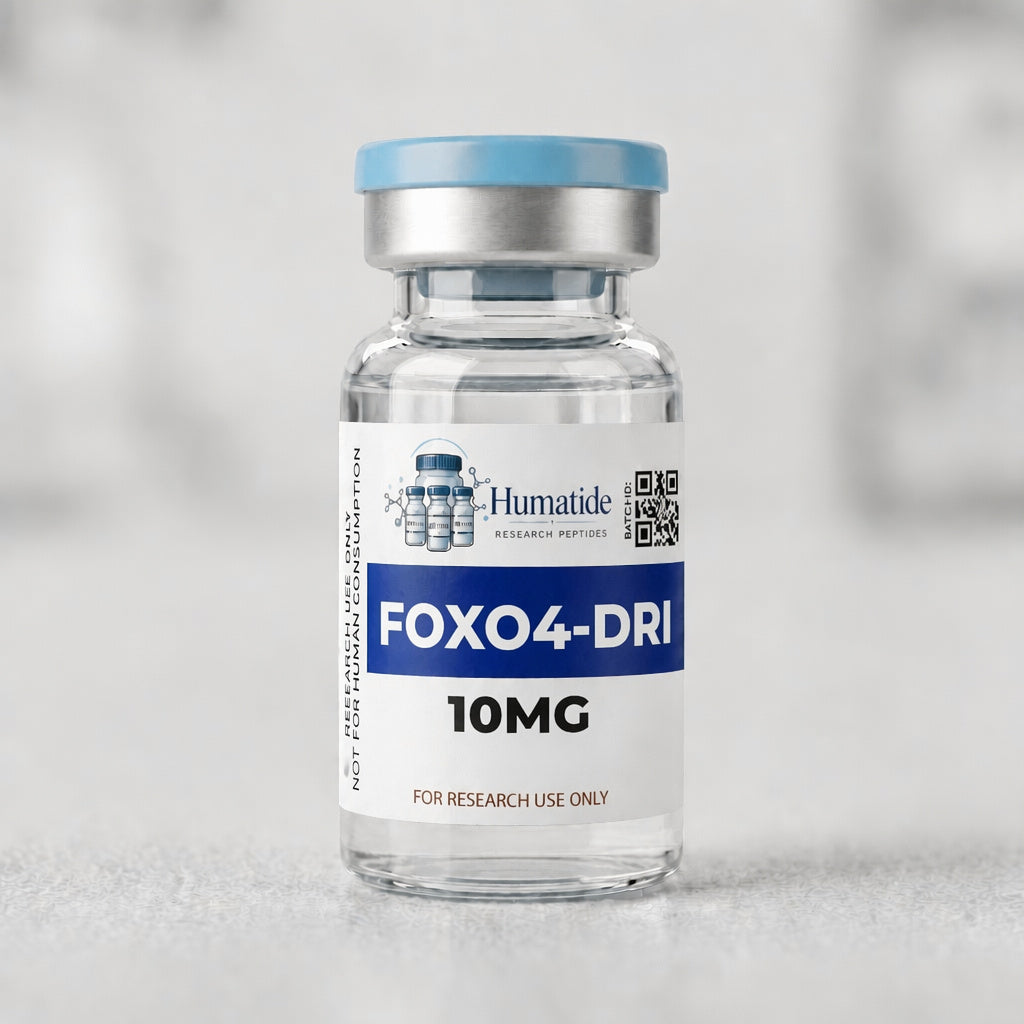
To View the latest Certificate of Analysis (CoA) click the "View Latest 3rd Party Certificate of Analysis" button on the product page. Please use that if you are looking to buy as that is the batch you'll receive if you place an order. The QRCode will give you the Batch ID/Lot Number which is matched on the CoA to validate that CoA matches your specific vial. If you happen to get a vial that is from a previous batch select the "Previous Batch 3rd Party Certificate of Analysis" if your Batch ID doesn't match the latest CoA.
All CoA are searchable via the respective testers' website.
ILS Labs Verification is available on their website at:
To validate the CoA on the ILS Labs website enter the Access Code that is located on the bottom of the CoA that is shown on our website.
We also use MDx Biolabs, verification is available via their website at:
https://mdxbiolabs.com/certificates-of-analysis
To find validate the CoA on the MDx Biolabs website enter the COA number which is located at the bottom of the CoA that is shown on our website.

Be the first to know about new products, sales, and exclusive offers.